
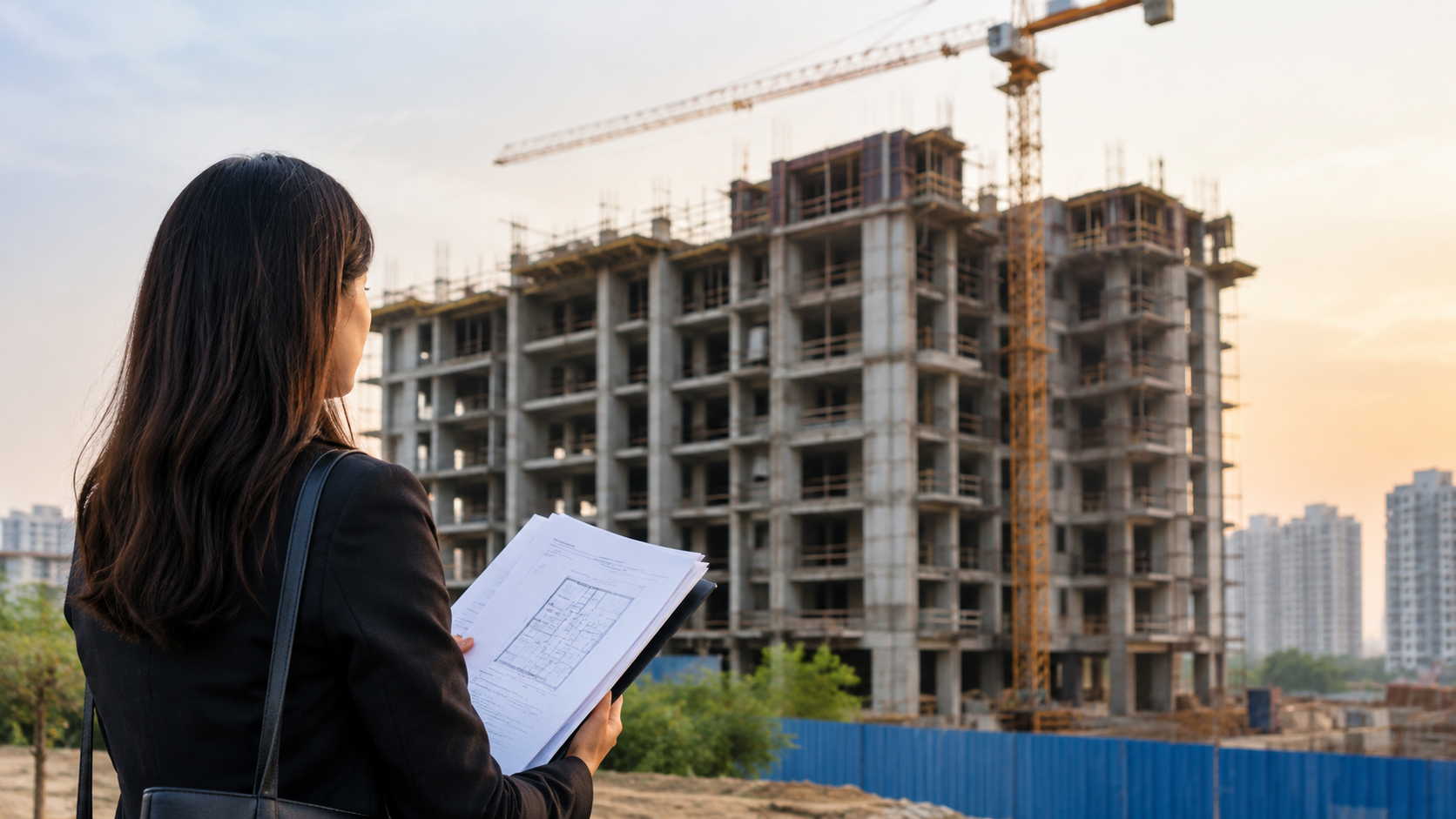
Buying a flat is a major financial decision, and delays in receiving possession can create serious difficulties for homebuyers. Many buyers continue paying EMIs, rent, or other expenses while waiting for their promised property. If a builder fails to deliver a flat within the agreed timeline, buyers may have legal remedies under the Real Estate (Regulation and Development) Act, 2016 (RERA), their sale agreement, and other applicable laws.
Understanding your rights when facing a builder delayed possession of flat in India can help you take appropriate action, seek compensation where legally available, and protect your investment.
What Is Delayed Possession of a Flat?
Delayed possession occurs when a builder or developer fails to hand over a property within the possession date specified in the agreement for sale or another legally applicable timeline.
Common reasons for delays include construction problems, financial difficulties, approval-related issues, labour shortages, and disputes involving land or contractors. However, the reason given by a builder does not automatically remove the buyer's legal rights.
Homebuyers should review their agreement carefully to understand the promised possession date, any permitted extensions, and the conditions governing delays.
What Does RERA Say About Builder Delays?
The Real Estate (Regulation and Development) Act, 2016, provides important protections for homebuyers in qualifying real estate projects.
Under Section 18 of RERA, if a promoter fails to complete or give possession of a property in accordance with the agreement for sale, or is unable to do so for another reason covered by the provision, an allottee who wishes to withdraw from the project may be entitled to a refund of the amounts received by the promoter, along with applicable interest and compensation as provided by law.
If the buyer does not withdraw from the project, Section 18 provides for interest for every month of delay until possession is handed over, at the applicable rate.
The precise remedy depends on the facts, the applicable agreement, the relevant state RERA rules, and the authority's findings. Buyers should also check whether the project is covered by RERA and whether any specific statutory exceptions apply.
Legal Remedies for Delayed Flat Possession in India
Homebuyers may consider several legal options depending on their circumstances.
1. File a Complaint Under RERA
If the project falls within RERA's jurisdiction, a homebuyer can approach the relevant state or union territory's Real Estate Regulatory Authority.
A complaint may seek appropriate relief for delayed possession, including interest, refund, or other remedies available under the Act. The complaint should clearly explain the delay, the contractual possession date, payments made, and the relief requested.
The filing procedure, prescribed forms, fees, and supporting documents vary by jurisdiction. Buyers should consult the relevant state RERA portal for the current requirements.
2. Claim Interest or a Refund
Buyers who want to continue with the property may be eligible to claim interest for the period of delay under Section 18, subject to the applicable legal requirements.
Alternatively, a buyer who chooses to withdraw from the project may seek a refund with applicable interest and compensation where legally justified.
Before choosing either option, consider the financial consequences, the project's completion status, the agreement's terms, and whether a refund order is likely to meet your needs.
3. Approach the Consumer Commission
Depending on the nature of the dispute and the applicable law, a homebuyer may also explore remedies before the appropriate consumer commission for deficiencies in service or other actionable consumer-law violations.
The availability of a consumer remedy and the interaction between different proceedings depend on the circumstances. The same dispute should not be pursued through overlapping proceedings without understanding the applicable legal position.
4. Review the Agreement for Sale
The agreement for sale is an important document in a delayed-possession dispute. It generally identifies the promised possession date, payment obligations, delay-related clauses, and the parties' responsibilities.
A lawyer can review the agreement to determine whether the builder has breached its obligations and which legal remedies are appropriate.
Documents Required for a Delayed Possession Complaint
Preparing complete records can make it easier to present your claim. Depending on the case, useful documents may include:
Agreement for sale and allotment letter.
Payment receipts, bank statements, and demand notices.
The promised possession date and any written extensions.
Correspondence with the builder regarding the delay.
Construction updates, project advertisements, and possession communications.
Relevant project registration details from the state RERA website.
A calculation of the claimed interest, refund, or other financial loss.
Keep copies of all communications and avoid relying solely on verbal assurances about a new possession date.
What Should You Do If Your Builder Keeps Delaying Possession?
If the builder repeatedly postpones handover, take a structured approach.
First, check the agreement and identify the contractual possession date. Next, verify the project's registration status and latest available information through the relevant RERA portal.
Send a written communication to the builder requesting a clear explanation and a realistic possession timeline. Keep proof of delivery and copies of any response.
Then, consult a property lawyer to assess the available remedies, applicable deadlines, and the most suitable forum. Do not assume that repeated promises or informal negotiations will protect you from every limitation period.
Avoid signing revised agreements, waivers, or settlement documents without understanding their legal and financial consequences.
How a Property Lawyer Can Help
A property lawyer can examine the agreement, assess the builder's obligations, organize supporting evidence, and determine whether a RERA complaint, consumer proceeding, or another legal route is suitable.
Legal assistance can also help homebuyers calculate potential claims, understand jurisdiction-specific procedures, respond to proposed settlements, and prepare the necessary documentation.
The right approach depends on the facts of the dispute, the project's status, and the buyer's preference for possession or withdrawal.
Conclusion
A builder's failure to deliver a flat on time can create financial pressure and uncertainty, but homebuyers may have legal remedies under RERA and other applicable laws. Depending on the circumstances, these remedies can include interest for delayed possession, a refund, compensation, or other relief granted by the appropriate authority.
If you are facing a builder delayed possession of flat in India, review your agreement, preserve payment records, verify the project's status, and seek legal advice before deciding how to proceed. Taking informed action can help you protect your investment and pursue the remedies available under the law.
Shield Law Firm can assist homebuyers in understanding property disputes and evaluating appropriate legal options based on the facts of their case.
Disclaimer: This article is for general informational purposes only and does not constitute legal advice. The availability of remedies depends on the applicable law and the facts of each case.